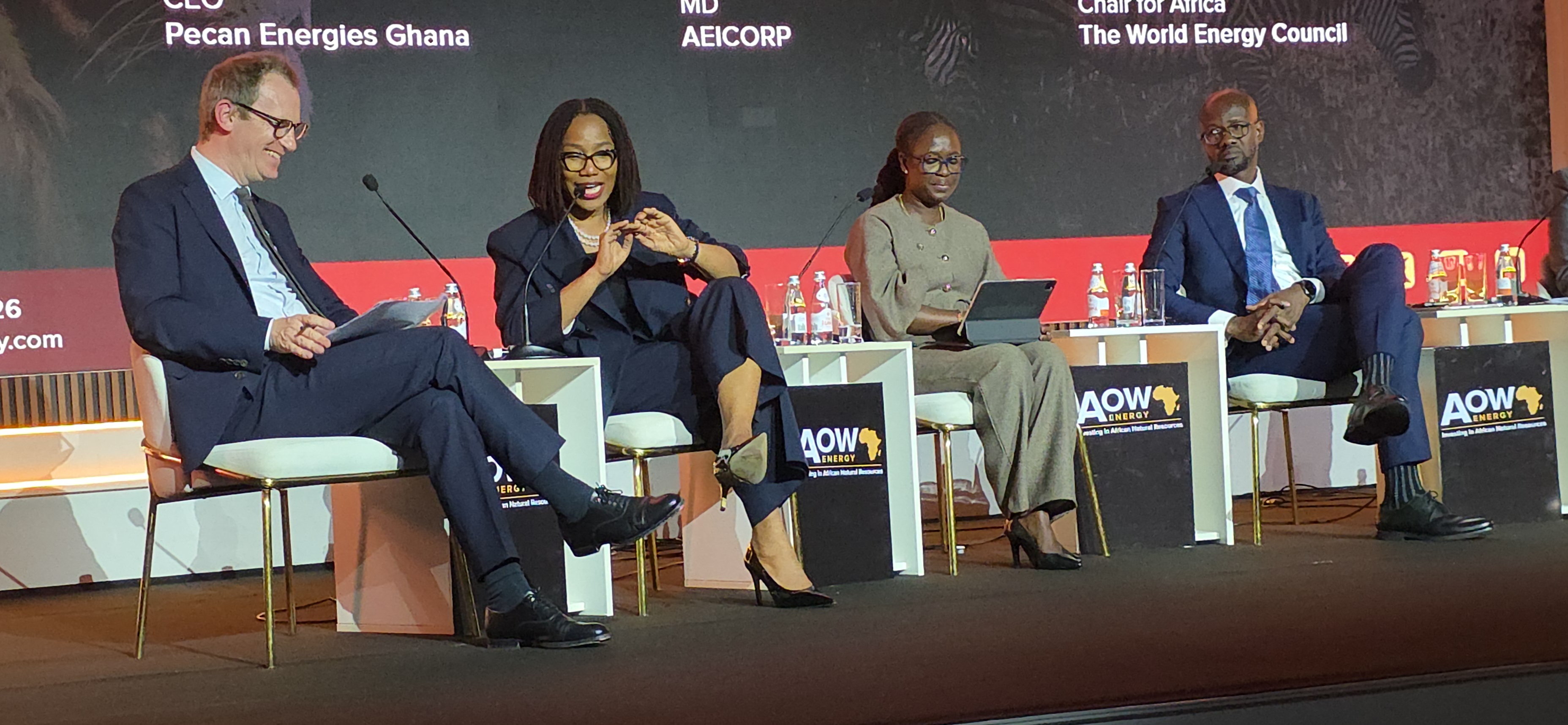
Pecan Energies Ghana CEO calls for new approaches to financing Africa’s upstream sector at AOW 2026
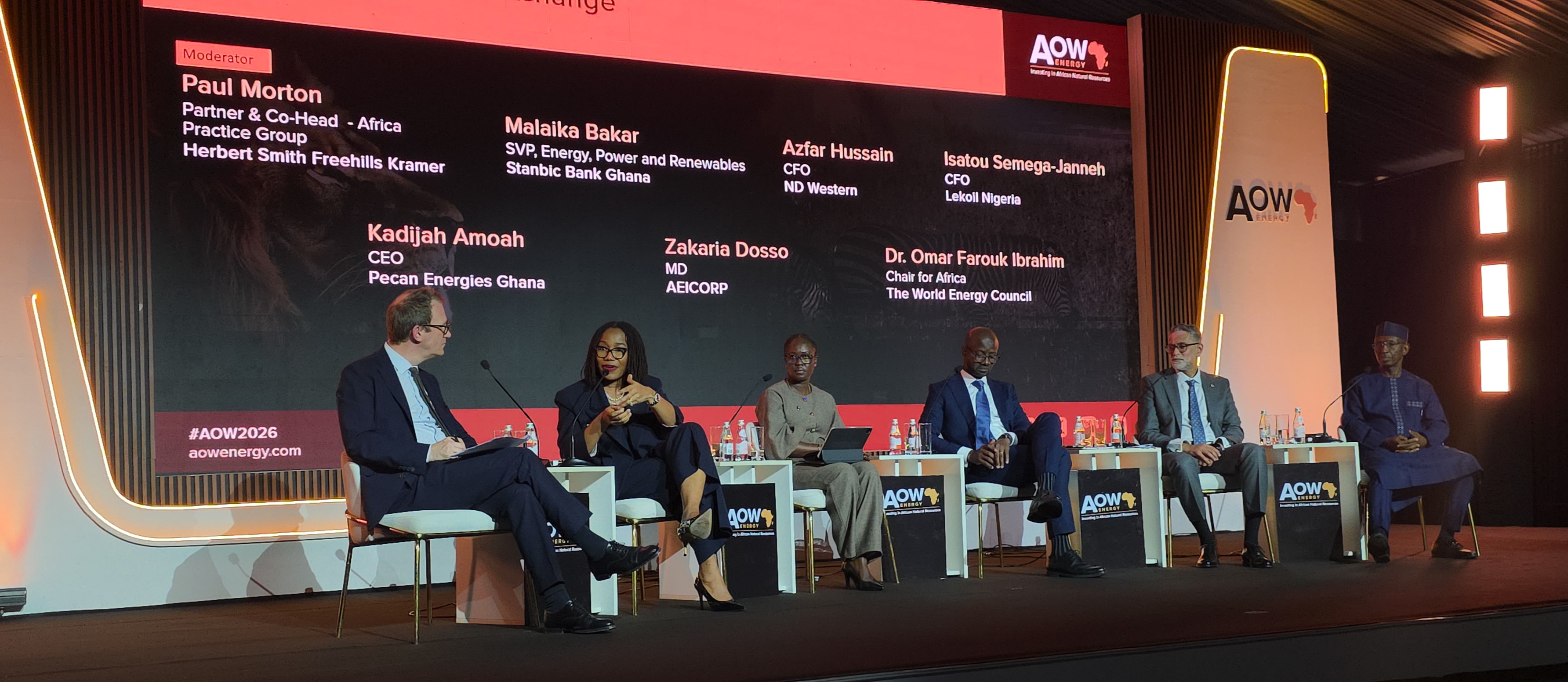
The Chief Executive Officer of Pecan Energies Ghana Limited, Kadijah Amoah, has called for greater innovation in mobilising African capital to finance the continent’s energy development.
Speaking during the Finance Leadership Exchange at AOW 2026 in Accra, Kadijah joined senior leaders from the banking, development finance and energy sectors to explore the financing models required to support the next phase of African upstream investment.
The panel examined local-currency finance, the role of African Development Finance Institutions (DFIs), trader finance, financing mature assets and the requirements for bringing commercial debt into frontier developments.
From African savings to African investment
Addressing the question of whether Africa is short of capital or lacks the mechanisms to deploy it, Kadijah pointed to the continent’s substantial domestic capital pools.
Africa’s domestic capital pools have been estimated at US$4.4 trillion, including more than US$200 billion managed by sovereign wealth funds. The challenge, she argued, is therefore partly one of financial intermediation: creating mechanisms capable of connecting African savings with productive African assets.
Rather than focusing exclusively on attracting foreign investment, she said African governments should increasingly consider how domestic capital can be channelled into African energy investment.
Using DFIs to mobilise private capital
Kadijah also called for a broader conception of the role of DFIs in African upstream financing. Rather than relying principally on DFIs as direct lenders, she highlighted the potential of guarantees, political-risk insurance and credit enhancement to mobilise private capital.
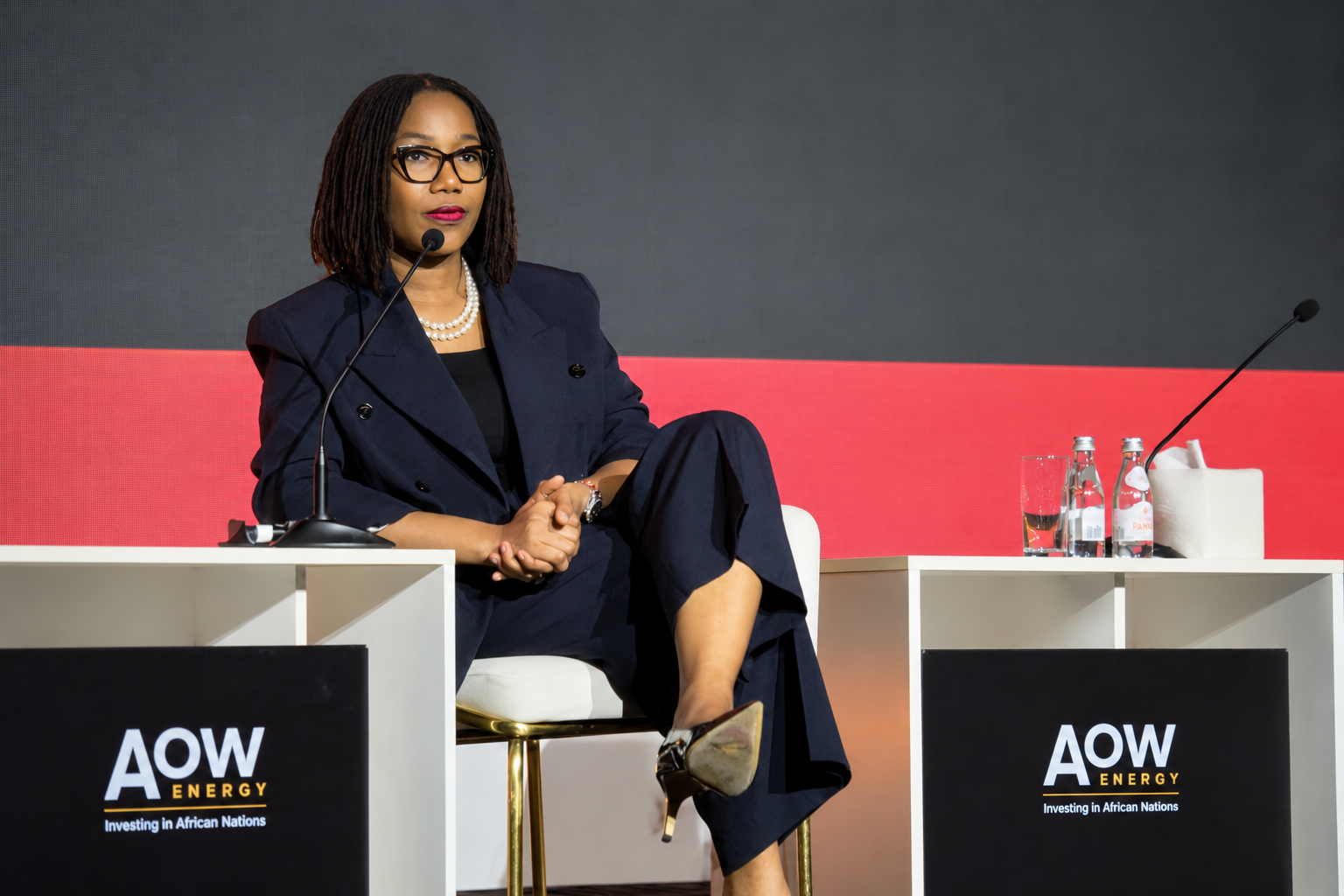
Her intervention cited MIGA’s plans to increase guarantees in Africa to US$6.4 billion annually, with an expectation of mobilising approximately US$23 billion in private investment — around US$3.60 in private capital for every US$1 guaranteed.
She also stressed that guarantees can improve the quality of projects themselves. Accessing DFI instruments typically requires rigorous appraisal covering governance, integrity, environmental and social standards, financial controls and risk management. This can help sponsors identify risks earlier and strengthen the underlying project’s readiness for institutional and commercial investors.
Building a pathway to commercial debt
Turning to frontier developments, Kadijah emphasised that projects seeking commercial financing must be sufficiently robust to withstand extensive legal, financial, technical, environmental and governance due diligence.
She also encouraged African resource-producing countries to examine how sovereign resource funds could, under appropriate governance arrangements, play a catalytic role.
While acknowledging the traditional model of investing resource revenues abroad to preserve wealth for future generations, she pointed to an emerging alternative in which a portion of those savings can serve as anchor capital for strategic domestic investments, particularly where private investors are not yet prepared to take the first position. The objective is not to replace private capital, but to use carefully deployed public capital to help crowd it in.
The Finance Leadership Exchange formed part of Pecan Energies’ participation in AOW 2026, bringing together industry, government, investors and financial institutions to discuss the future of investment in Africa’s energy sector.